Last Updated on April 15, 2026
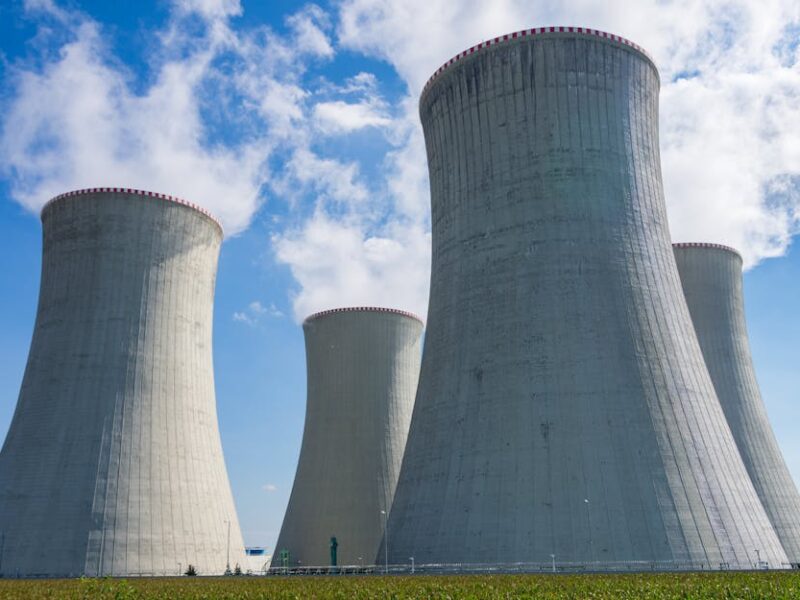
Abundant clean energy is no longer a distant aspiration, it’s becoming a defining force of global innovation. Investment in renewable technologies surged past $1.8 trillion in 2025 alone, and 2026 is already shaping up to be the year when breakthrough tech moves from the lab into everyday life. The conversation is no longer whether clean energy will dominate, but which technologies will lead the charge.
From solar panels that generate power even at night, to fusion reactors edging closer to commercial reality, the clean energy revolution is accelerating faster than most people realize (and achieving adoption in places you’d never imagine!). And it’s no longer just about saving the environment – it’s about energy independence, creating jobs and redefining how we think about power itself.
In this blog, we’ll dive into the top emerging clean energy technologies poised to shape 2026. Some are futuristic, some surprisingly practical, but all share one thing: the potential to transform how humanity fuels it’s future. Ready to see what’s next? Let’s explore the clean energy breakthroughs that could power the rest of the century.
1. Green Hydrogen: The Clean Fuel of the Future
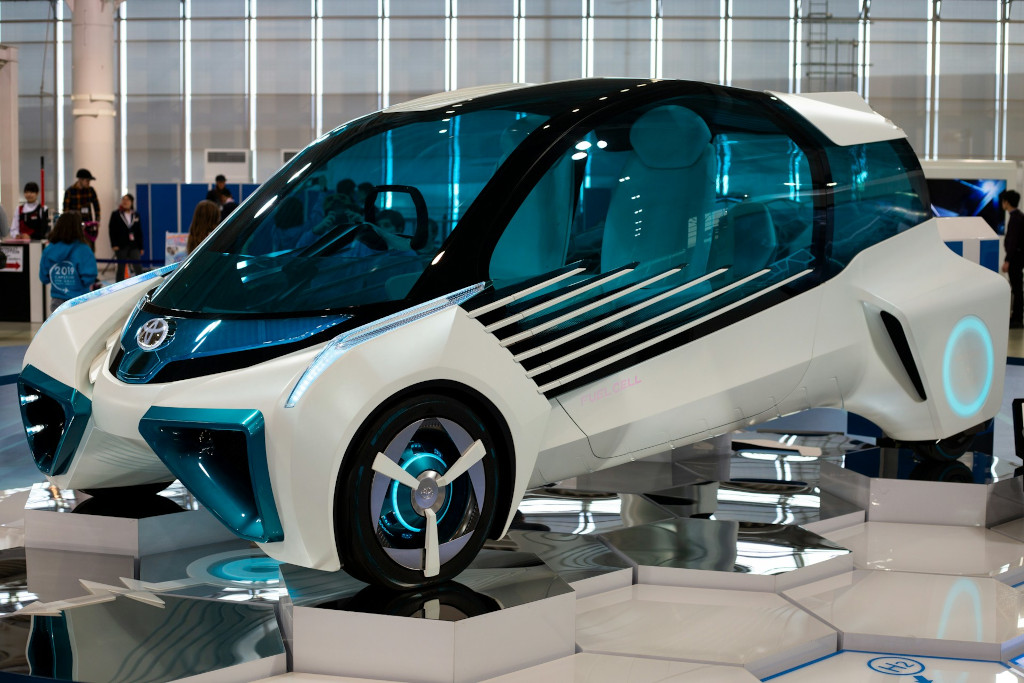
Green hydrogen, produced through electrolysis powered by renewable energy sources, is gaining momentum as a versatile and clean energy carrier. Its versatility makes it uniquely suited to decarbonize industries where renewable energy alone cannot, such as steelmaking (green steel), shipping and aviation. Also, unlike solar and wind, hydrogen can be stored and transported (including as ammonia which is easy to transport), making it a flexible backbone for future energy systems.
Despite constituting only about 2.7% of the $155 billion global hydrogen market in 2022, green hydrogen’s potential is vast. Projections indicate that with continued investment, the green hydrogen market could surpass $1 trillion annually by 2050.The declining cost of electrolyzers—down more than 40% since 2020—and the decreasing prices of renewable electricity are making green hydrogen increasingly competitive.
In regions with abundant renewable resources, green hydrogen is approaching cost parity with traditional “grey” hydrogen produced from fossil fuels. Countries like Chile and China are investing heavily in green hydrogen infrastructure, aiming to position themselves as leaders in this emerging market. With China’s aggressive investments and global partnerships, 2026 marks the moment hydrogen begins to really scale beyond pilot projects, offering a pathway to a cleaner, more resilient energy future.
2. Floating Solar Photovoltaics (FPV)
Floating solar panels, or floatovoltaics, are an innovative solution to land scarcity and increasing energy demands. By installing solar panels on bodies of water such as reservoirs and lakes, FPV systems not only generate electricity but also reduce water evaporation and improve panel efficiency due to the cooling effect of water.
The global installed capacity of floating solar grew from 2 GW in 2020 to more than 7 GW in 2023, with projections indicating continued expansion. A report by Wood Mackenzie projects the global installed capacity for floating solar PV power plants to reach 77 GW by 2033, led by the Asia-Pacific region, with nine of the top ten floating solar markets located in the region.
According to the World Bank, utilizing just 10% of suitable water surfaces for FPV could generate over 4,000 GW of power capacity. This technology is particularly beneficial for countries with limited land availability but abundant water bodies.
3. Advanced Geothermal Systems
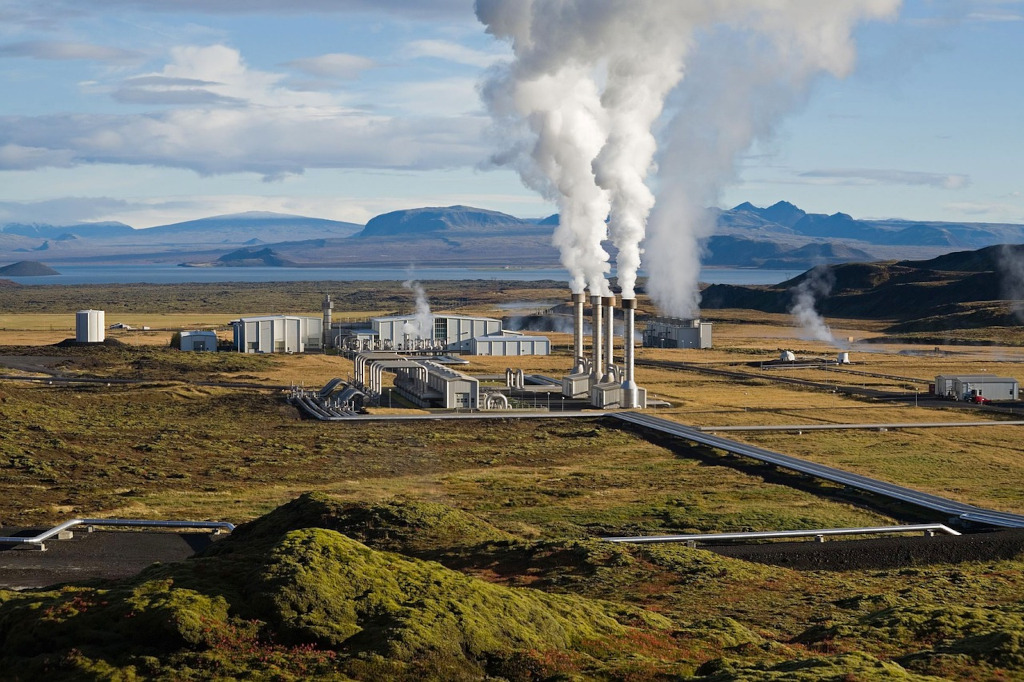
Traditional geothermal energy has been limited to regions with specific geological conditions. However, advancements in drilling technologies and the development of Enhanced Geothermal Systems (EGS) are changing this landscape. EGS involves injecting water into hot, dry rock formations to create steam, which can then be used to generate electricity.
Global geothermal capacity has surpassed 16GW with more than 7GW in the pipeline. The new and enhanced systems expand the resource base far beyond traditional hotspots.
Companies like Eavor are pioneering these techniques, with projects such as the commercial power plant in Geretsried, Germany, aiming to demonstrate the scalability of advanced geothermal systems. If successful, this technology could provide a steady and emission-free energy source globally, offering a reliable baseload power option that complements intermittent renewable sources like wind and solar.
4. Advanced Energy Storage Solutions
As renewable energy sources like wind and solar become more prevalent, the need for efficient energy storage solutions becomes critical to address their intermittent nature. In 2026, next-generation solid-state batteries and hybrid systems are emerging as promising solutions.
These technologies offer faster charging, improved safety, and longer lifespans compared to traditional lithium-ion batteries.
Global investment in battery storage surged in 2025, exceeding $450 billion across storage and power grid projects—nearly a tenfold increase compared to the $50 billion recorded in 2024. This reflects the rapid scaling of utility-scale batteries, grid integration, and behind-the-meter systems worldwide.
Pilot programs in Europe and Asia are integrating these advanced storage technologies with urban grids, reducing energy loss and stabilizing supply.
Complementary advances in thermal and mechanical storage further enhance grid performance, ensuring reliable, round-the-clock renewable energy access.
5. Artificial Intelligence (AI) and Smart Grids
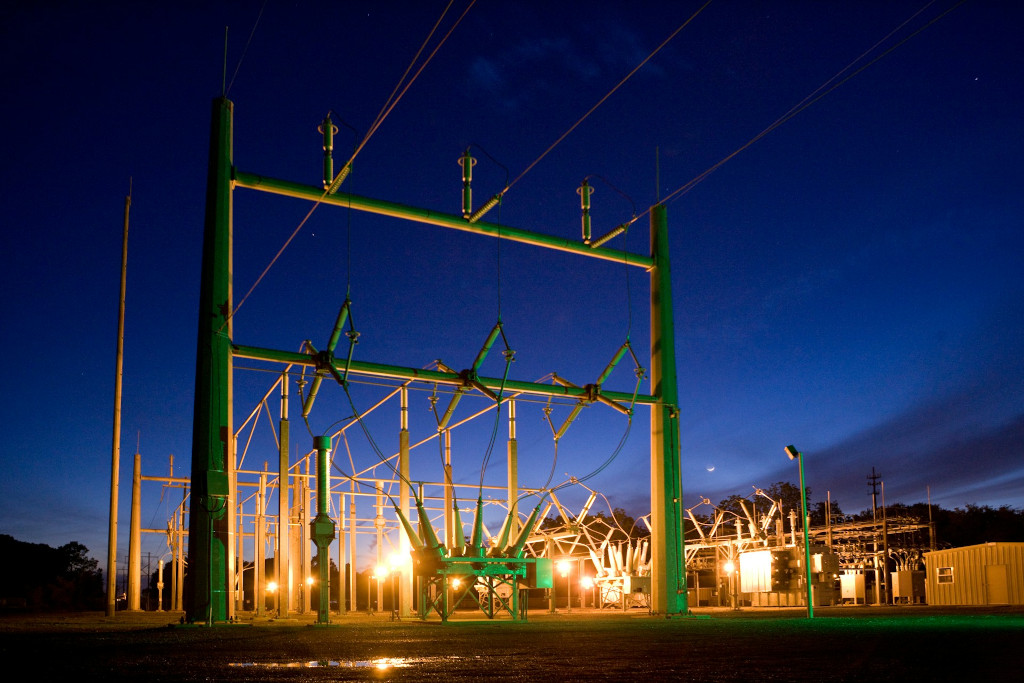
AI is quietly becoming the backbone of modern energy grids, and 2026 is proving just how transformative that shift can be. As grids grow more complex (and aged), AI is stepping in to make sense of the chaos by balancing renewables and storage with traditional generation.
According to recent industry reports, AI-driven grid management could save utilities up to $80 billion annually by 2030 through efficiency gains and reduced outages. Already, artificial intelligence is being used to forecast renewable output with remarkable accuracy – wind and solar generation predictions are now within 3–5% error margins, helping operators avoid costly imbalances.
The impact of AI on energy systems is profound: fewer blackouts, smarter energy use, and a grid that can flexibly adapt to the unpredictable nature of renewables.
Looking ahead, AI won’t just manage energy—it will actively shape demand, guiding when factories run, when EVs charge, and even when households consume power. In short, AI is turning the grid from a rigid system into a living, learning network—one that could define the future of clean energy.
Conclusion
The clean energy landscape in 2026 is defined by bold innovation, driven in part by AI, and rapid scaling. From green hydrogen to AI-powered grids, these technologies are no longer experimental but quickly becoming commercialzied and forming the pillars of a new energy era. What ties them together is not just their ability to cut emissions, but their potential to reshape economies, create resilient power systems, and open opportunities across every region of the world.
Continued investment, innovation, and collaboration across sectors will be essential to realize the full potential of these technologies and achieve global decarbonization goals.