Highlights:
- The Main Idea: Climate change isn’t a “great equalizer.” It’s a “magnifier” that makes existing poverty and inequality much worse.
- The “Boats” Metaphor: We’re all in the same storm, but some are in super-yachts (wealthy countries) while others are in leaking rowboats (developing nations).
- Geography is Destiny: Where you live—from your country down to your specific neighborhood—determines if a heatwave is an “AC day” or a life-threatening emergency.
- The Big Injustice: The people who did the least to cause carbon emissions (the Global South and the youth) are the ones paying the highest price right now.
- The Solution: It’s not just about planting trees. It’s about Climate Justice—making sure the biggest polluters pay for the damage and that vulnerable communities get the tools to adapt.
If you’ve been online at all lately, you’ve seen the headlines. Record-breaking heatwaves, floods that look like scenes from a movie, and wildfires that turn the sky orange. It feels like the whole world is in the same boat, right?
Well, not exactly.
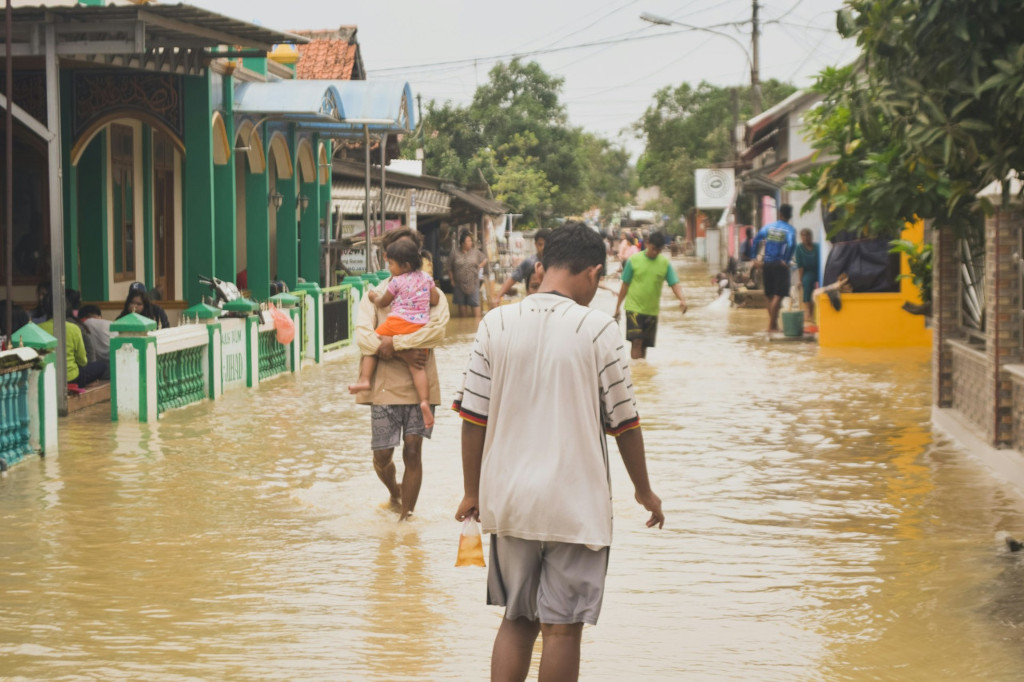
While we’re all technically on the same planet, we are definitely not in the same boat. Some of us are on high-tech cruise ships with backup generators and gourmet snacks. Others are in rowboats that are already taking on water. And some are just trying to keep their heads above the waves with nothing but a life jacket.
This is what we call Climate Justice. It’s the idea that climate change isn’t just about carbon dioxide and melting ice caps—it’s about people, power, and deep-seated inequality.
The “First and Worst” Rule
In climate science, there’s an unspoken rule: the people who did the least to cause the problem are usually the ones who suffer the most.
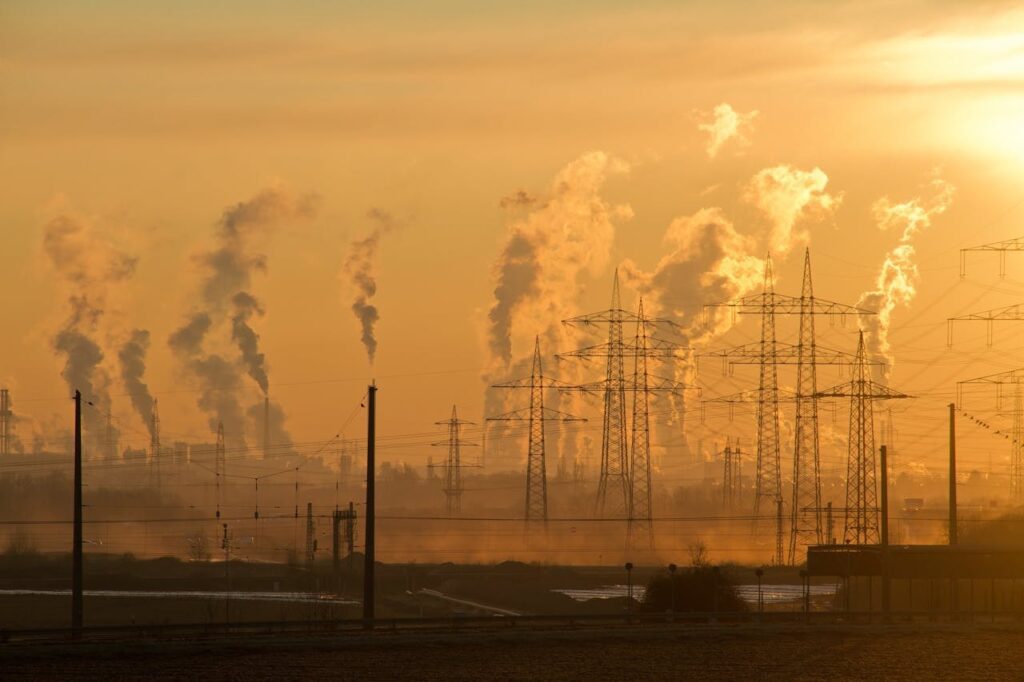
Think about it. Most of the greenhouse gases currently warming our atmosphere came from wealthy, industrialized nations (like the U.S., UK, and parts of Europe) over the last 150 years. These countries got rich by burning coal, oil, and gas.
But, today, the people feeling the heat (literally) are often in the “Global South”—places like Africa, Southeast Asia, and Central America. These regions haven’t historically emitted much carbon, yet they face the most extreme weather. Africa, for instance has contributed less than 5% to overall global emissions, yet is facing some of the biggest challenges from climate change.
Key Fact: The richest 1% of the global population is responsible for more carbon emissions than the poorest 66% combined. Talk about an imbalance!
Geography of Vulnerability
Where you happen to be born plays a massive role in how climate change affects you. This is the “Geography of Vulnerability.”
Small Island Nations
Imagine your entire country is only a few feet above sea level. For places like Kiribati or Tuvalu in the Pacific, sea-level rise isn’t a future “maybe.” It’s happening now. Saltwater is leaking into their drinking water, killing their crops. For them, climate change is an “existential threat,” which is a fancy way of saying their homes might literally disappear.
The “Heat Belt”
Countries near the equator are already hot. A 2-degree Celsius rise in temperature might feel like a “nice summer” in London, but in a place like Jacobabad, Pakistan, it can push temperatures past what the human body can survive.
Wealth is a Shield
Let’s talk about privilege. In a wealthy city, a massive heatwave is a major annoyance. You turn up the AC, order takeout so you don’t have to go outside, and maybe head to a basement where it’s cool.
But what if you can’t afford AC? What if your job requires you to pick tomatoes in a field or work on a construction site all day?
Wealth acts as a shield against climate change. It allows people to:
- Adapt: Buy insurance, install solar panels, or build sea walls.
- Recover: If a storm hits, wealthy families usually have savings to rebuild.
- Move: If a neighborhood becomes too dangerous, those with money can simply leave. This is sometimes called “Climate Gentrification.”
| The Shield | People with Privilege | People with Low Income |
| Housing | Sturdy homes with insulation and cooling. | Mobile homes or older buildings that trap heat. |
| Food | Can afford higher prices when crops fail. | Struggle to buy basics when prices spike. |
| Health | Access to hospitals and meds for heatstroke. | Limited care and higher exposure to pollution. |
| Mobility | Can evacuate in a personal car. | Rely on public transit which may shut down. |
From a climate justice perspective, this is a major problem because it creates a two-tiered world where safety is a luxury rather than a right. This protection often makes those with the most political influence feel less urgency to act. In contrast, the people who contributed the least to global emissions—those without the “shield”—are left to face the most severe consequences with the fewest resources.
Ultimately, it turns climate survival into something you purchase, which deepens the gap between the global rich and the global poor.
The Urban Heat Island Effect
Even within the same city, climate change hits differently. Have you ever noticed that downtown areas with lots of concrete feel much hotter than suburbs with big parks? This is the Urban Heat Island Effect.
In many U.S. cities, this is tied to a history of Redlining. Decades ago, banks and governments literally drew red lines on maps to deny loans to people of color, forcing them into specific neighborhoods. These “redlined” areas often have:
- More pavement and highways (which soak up heat).
- Fewer trees and parks (which provide shade and cool the air).
- More industrial plants (which add to pollution).
Today, these neighborhoods can be 10 to 15 degrees hotter than the wealthier, leafier neighborhoods just a few miles away. That is a direct link between historical racism and modern climate vulnerability.
Why This Matters
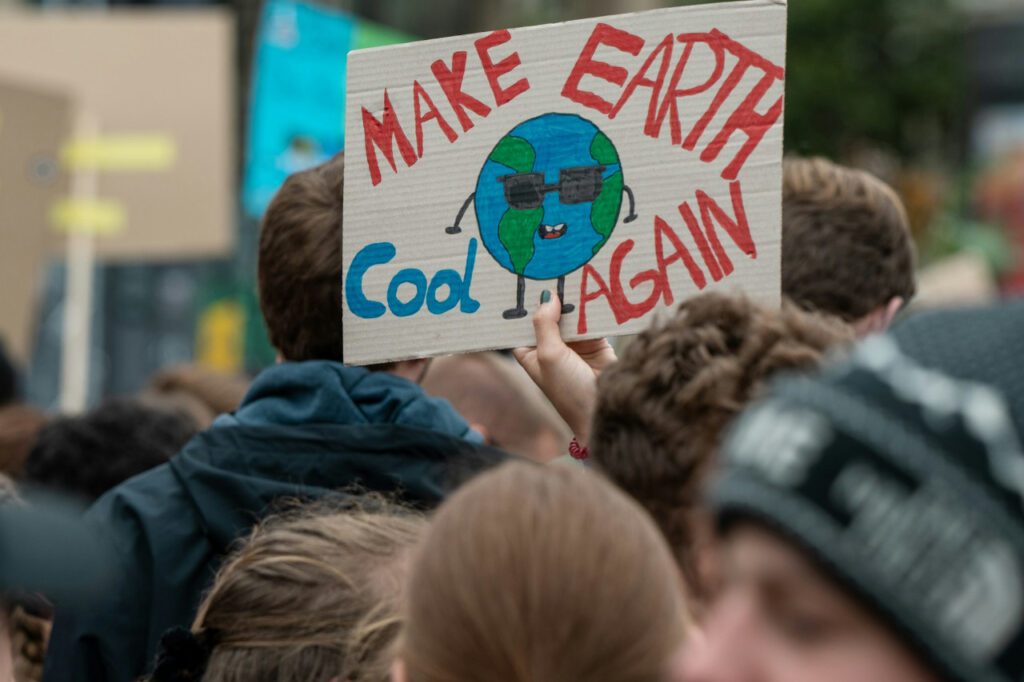
You might be thinking, “Okay, this is unfair, but why is it a global emergency?”
It’s a Human Rights Issue
Climate change makes it harder to get clean water, enough food, and a safe place to live. These are basic human rights. If we don’t address the inequality, we are essentially saying that some lives are more valuable than others.
It Causes Conflict and Migration
When people can no longer grow food or find water, they have to move. This leads to “Climate Refugees.” By 2050, some experts estimate that over 200 million people could be displaced by climate change. This can lead to tension over resources and political instability.
It’s a “Threat Multiplier”
Climate change takes existing problems—like poverty, hunger, and disease—and makes them much worse. If a community is already struggling to get by, one bad flood can set them back decades.
What Can We Do? (The Youth Power)
This all sounds pretty heavy, but here’s the good news: the youth movement is the loudest voice for climate justice right now. We aren’t just asking for “green energy” and conservation; we’re asking for equity.
- Demand “Loss and Damage” Funding: This is a big topic at global climate summits. It’s the idea that wealthy countries should pay into a fund to help poorer countries recover from climate disasters they didn’t cause.
- Support Indigenous Solutions: Indigenous people protect 80% of the world’s biodiversity, despite being a small fraction of the population. Their traditional knowledge is key to surviving the climate crisis.
- Look at Your Local Map: Check out which parts of your own city are the hottest or most prone to flooding. Usually, these are the areas that need the most investment and help.
- Change the Narrative: Instead of just talking about polar bears, talk about people. Tell the stories of those on the front lines.
Summary
Climate change isn’t a “great equalizer.” It’s an inequality magnifier. It takes the cracks that already exist in our society—racism, poverty, and unfair global politics—and rips them wide open.
But by focusing on Climate Justice, we can build a world that isn’t just “greener,” but also fairer. We have the tools to fix this; we just need the empathy and the political will to make sure everyone gets a spot on that cruise ship.