Last Updated on January 21, 2026
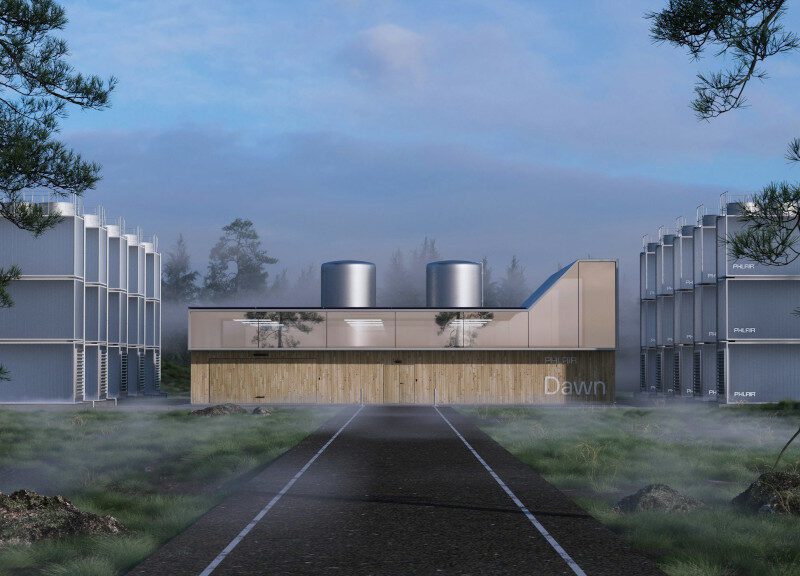
Showrooms are, by design, sleek, polished, and carefully staged. Everything gleams, every angle is rehearsed, every flaw hidden.
Now step into a lab: the air is tinged with the scent of burnt wires, chemical residue, and the faint hint of machines mid-experiment. Tables are cluttered with prototypes, half-finished ideas, and the occasional spectacular failure.
The contrast couldn’t be more stark. One space is designed to impress and wow; the other is designed to experiment and discover.
Many of us still think showroom when we should be thinking lab. The showroom mindset prizes polish, optics, and external validation. The lab mindset embraces curiosity, chaos, and iteration.
If we are going to hit net-zero and solve the complex physics of long-duration storage or point-source carbon capture, we need to stop obsessing over the “aesthetic of innovation” and start embracing the “chaos of creation.”
Chaos, iteration, curiosity: The lab mindset
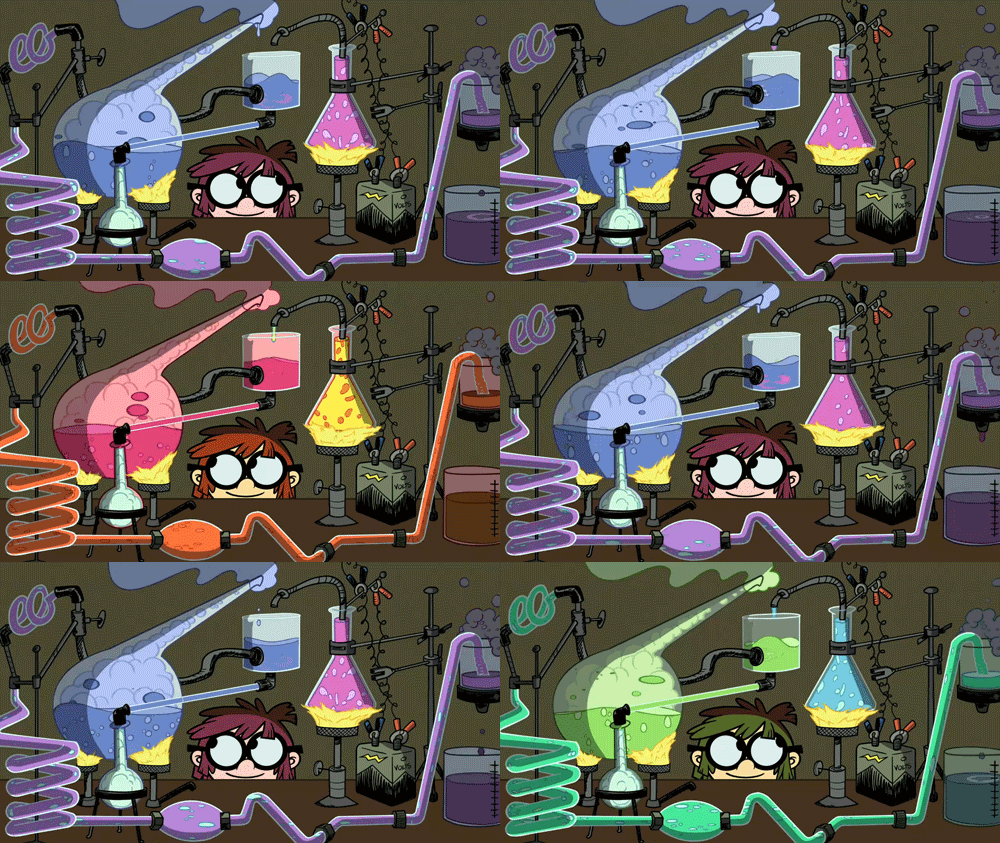
Polish is often the enemy of progress. When you obsess over it, you delay learning. You hide the rough edges that can spark new ideas and insights. You end up spending more energy on optics instead of substance.
In the cleantech industry – often referred to as “HardTech” for a reason- this mindset is lethal. We are dealing with atoms, not just bits. Atoms are stubborn, messy, and bound by the laws of thermodynamics. When you prioritize showroom-ship, you lose the ability to pivot at the speed physics requires.
Labs thrive on chaos. Not chaos for its own sake, but chaos as a compass. When you’re tinkering, testing, and breaking things, you’re establishing and mapping the terrain of possibility.
In fact, the most effective cleantech prototypes often look like something out of a sci-fi scrap heap. They are held together by zip ties, sensors are taped to manifolds, and the code is barely held together by a prayer. This is “Frankensteining,” and it is beautiful. It allows you to test things fast – like a new membrane efficiency- without waiting six-months for a custom-machined housing.
Sometimes the wrong idea is the right one for progress in the moment. Alexander Fleming discovered penicillin because his experiment went wrong. Dyson built over 5,000 prototypes before landing on the vacuum design that revolutionized the industry.
Now, imagine if Fleming had been working in showroom mode! The contaminated petri dish would have been immediately discarded, and the world might have lost one of the most important medical discoveries in history.
Iteration is the heart of the lab. Each experiment – whether successful or not- adds data, insight, and builds resilience.
Curiosity is the fuel. Labs don’t ask, “How do we sell this?” The ask, “What happens if…?” That simple shift in question changes everything.
Designing your own lab
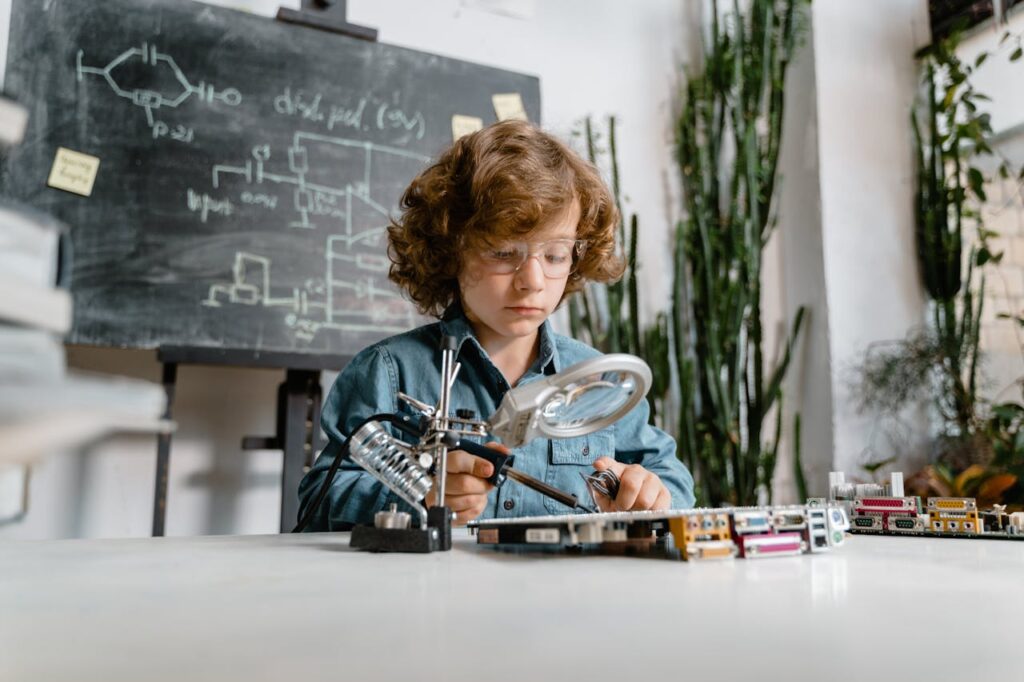
AI has come at a very opportune time, especially for young people. With the clock ticking on a host of critical climate failures that need urgent solutions, it’s now or never. You can leverage AI to experiment, learn, and iterate. But you can’t harness the speed of the future if you’re still clinging to the perfectionism of the past.
A lab isn’t static. It breathes, mutates, and evolves. It’s a living organism, constantly adapting to new inputs, new failures, and new insights. If you want your ideas or startup to flourish and thrive in uncertainty, you need to think lab. Embrace the messiness of discovery, not the sterility of polish. And, how do you do that?
Start with rituals that celebrate imperfection:
Keep a “failure shelf” or folder. Display your broken or failed experiments proudly. Let them remind you that failure is data, not defeat.
Run “ugly demos”. Share half-finished work with peers. Invite feedback before polishing.
Celebrate questions asked, not answers given. Asking great questions is one of the most critical skills right now. Knowing the questions to ask in the first place is an even greater challenge. Reward curiosity over certainty.
Build tinkering rituals. Schedule weekly “what if” sessions, hack hours, or even do random tool swaps. Have your own R&D time where you experiment on things you’re curious about.
These quirky practices aren’t gimmicks. They’re signals that you value exploration over optics. They are also at the core of some of the most innovative companies. Google, for instance, had the 20% time policy that encouraged employees to dedicate one-fifth of the workweek to projects outside their core responsibilities. It gave rise to products like Gmail and AdSense.
Stop pitching, start prototyping
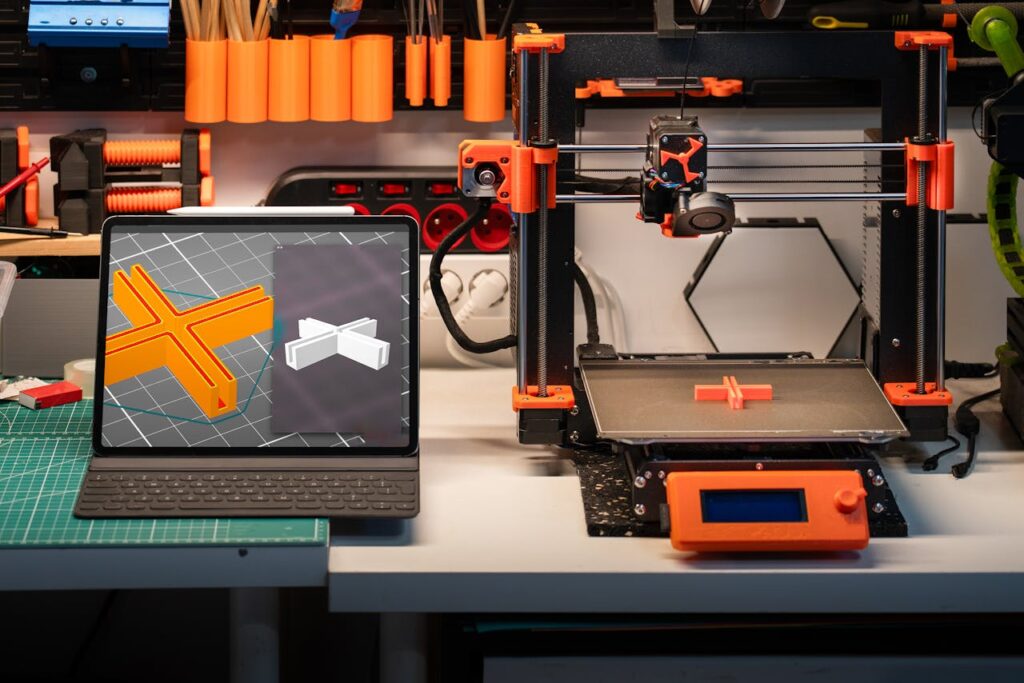
Plastic pollution, clean energy, food waste, or water scarcity all need creative minds willing to test, tweak, and share their progress openly. Tackling climate challenges isn’t about waiting for the perfect idea – it’s about starting where you are and letting curiosity lead the way. Don’t get hung up on the perfect idea; start instead with a question: “What if?” Then keep refining.
Think of every small experiment as a stepping stone. Maybe you’re trying out a new way to upcycle plastic bottles, plastic straws, tyres, or building a simple solar-powered irrigation system. Even if it doesn’t work the first time, you’ve learned something valuable. And you have a serious advantage: With AI as your copilot, you can brainstorm alternatives, refine your idea, simulate outcomes, or explore additional data to help iterate and improve on your approach faster.
The most exciting breakthroughs and ideas often come from people who aren’t afraid to show their rough drafts and experiments. Because then, other people can suggest improvements and provide valuable feedback. So, dive in, try things (lots of things), and keep iterating.
Closing thought
The climate crisis doesn’t care about our branding or our sleek interiors. The atmosphere doesn’t respond to polished slide decks. It responds to chemical reactions, electron flow, and mechanical efficiency.
If we want to build the hardware that saves the planet, we have to be willing to get our hands dirty. We need to build environments where the goal isn’t to look like we have the answer, but to find the answer through relentless, messy, and brilliant experimentation.
It’s time to stop polishing and start prototyping. Let’s turn our showrooms back into labs.